Simple, ready-to-use social and leadership activities that support connection, confidence, and inclusion.
Connection
Peer Buddy Games
Small groups • 20–35 minutes
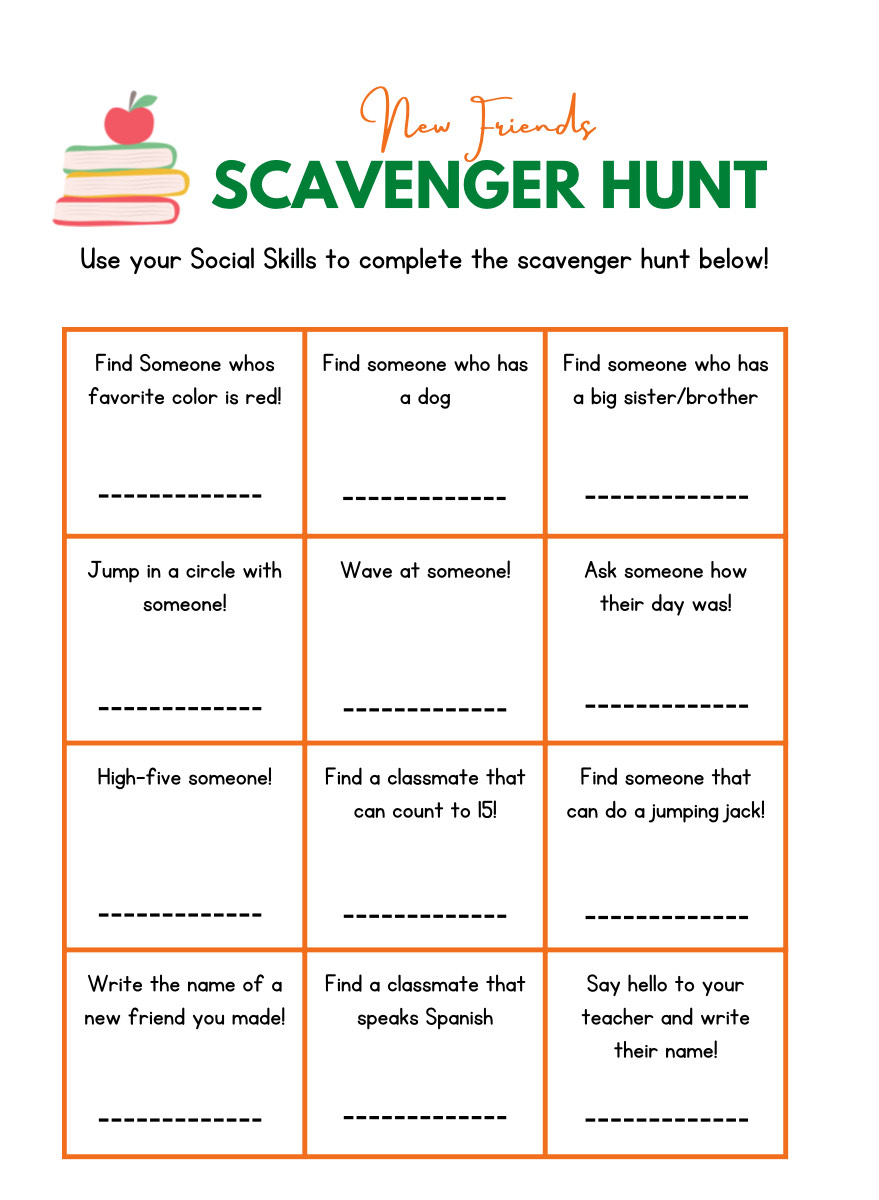
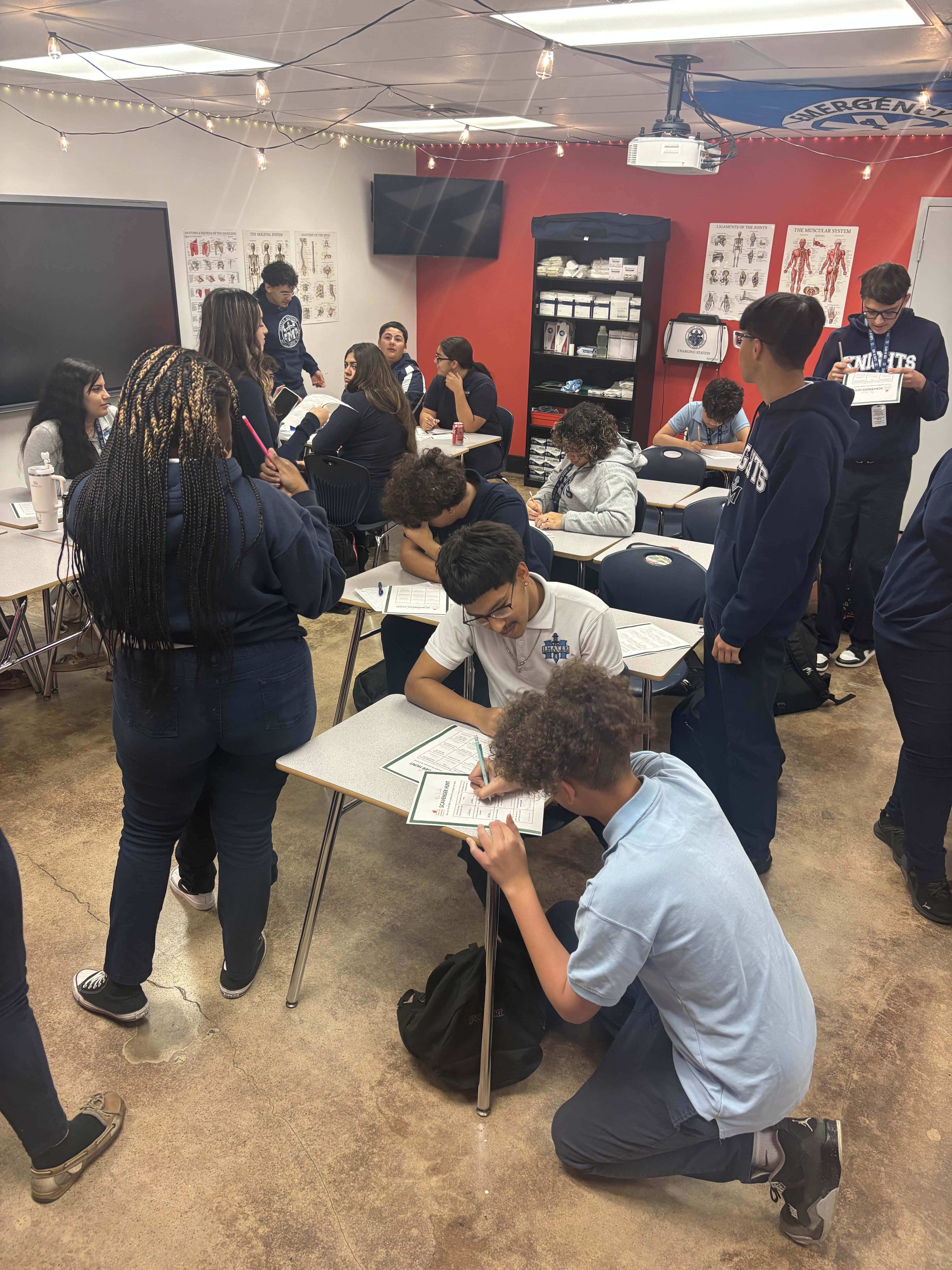
Pair students with peer buddies to play cooperative games like scavenger hunts or building challenges.
This encourages turn-taking, communication, and teamwork, while giving students a safe space to practice social skills with support.
Communication
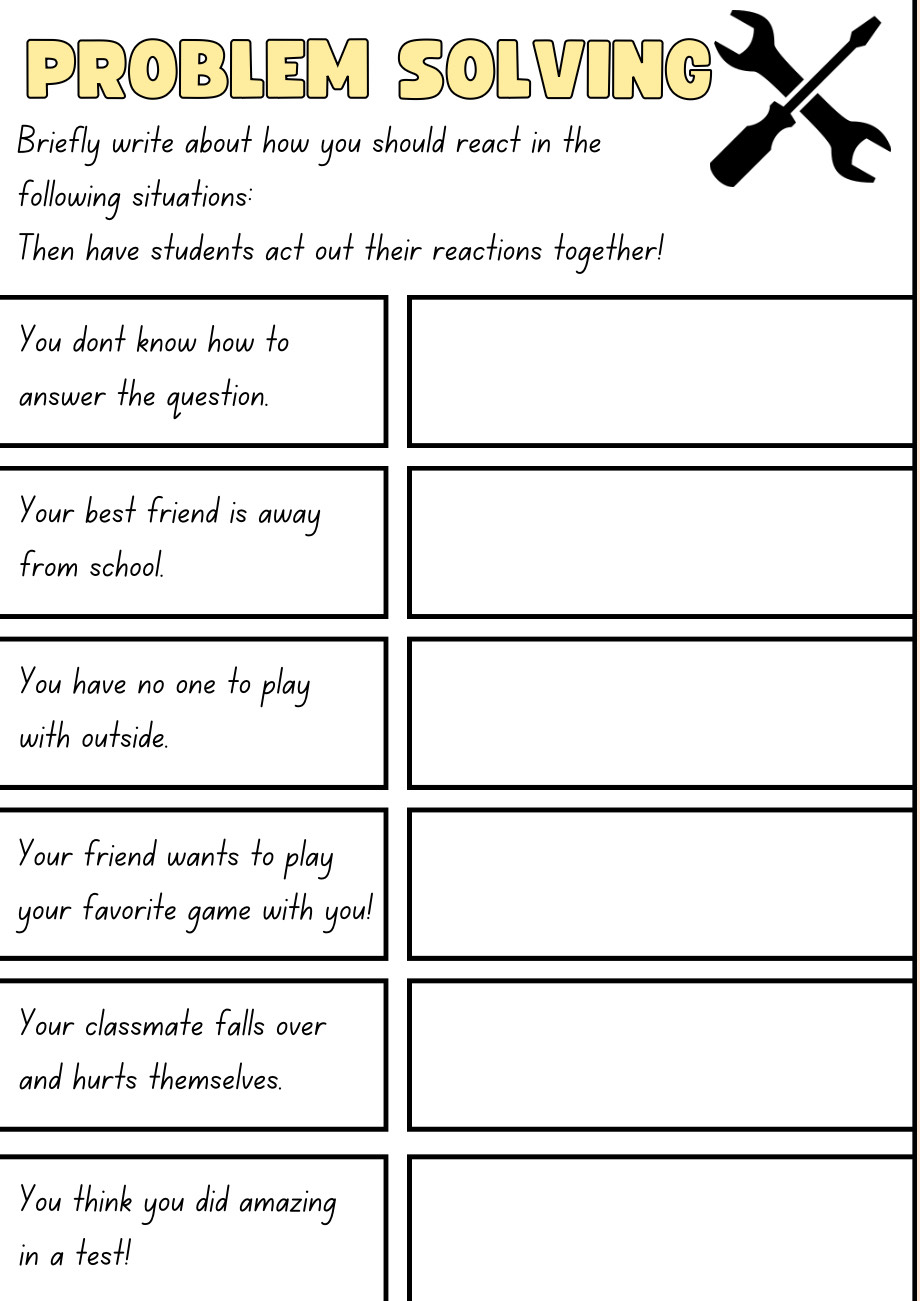
Role-Playing Scenarios
Pairs or small groups • 15–30 minutes
Create real-life social situations (asking for help, joining a game, resolving small conflicts) and have students act them out.
This builds empathy, problem-solving, and confidence in what to say and do in everyday moments.
Community
Class Bingo!
Whole class • 10–20 minutes
A social scavenger-style bingo where students find classmates who match simple prompts. Start with quick introductions (name, grade, favorite hobby),
then let them move around the room in a safe, structured way that gently encourages interaction.
Emotional Skills
Emotion Charades
Small groups • 10–15 minutes
Students act out emotions using only facial expressions and body language while others guess what they are feeling.
This strengthens emotional recognition, empathy, and nonverbal communication in a playful, low-pressure format.
Teamwork
Group Art
Small groups or whole class • 30–60 minutes
Collaborative art projects like murals or shared posters that require students to plan, share ideas, and work together.
This promotes cooperation, patience, and a strong sense of pride in a project they built as a team.
Leadership
Leadership Circle
Whole class • 15–25 minutes
Host a discussion circle where students take turns leading a short activity or sharing something with the group—like telling a story, asking a question, or teaching a simple skill. This builds leadership, self-expression, and comfort speaking in front of others.